

The Vanishing Flight: Where Did Malaysia Airlines MH370 Really Go?
Hunter
- Introduction — A night that refused to make sense
- Development and theories — facts, clues, and the stories that grew around them
- Official / Skeptical Theory
- The more bizarre / conspiratorial theories
- Hunter’s take — curious, skeptical, a little impatient
- Closing — your turn
Introduction — A night that refused to make sense
Remember March 2014? A Boeing 777 lifts off from Kuala Lumpur. Clear night. 239 souls onboard, heading to Beijing. Less than an hour later, the plane simply disappears from civilian radar. No distress call. No fireball. Just a series of cold, technical breadcrumbs sent to a satellite. The world watched, baffled.
“An aircraft vanished from the maps, but left a trail of questions.”—Hunter
Development and theories — facts, clues, and the stories that grew around them
The basic outline is simple and eerie. MH370 deviated from its filed route. Military radars briefly tracked it making turns. Later, engineers used faint satellite “handshakes” (Inmarsat pings) to infer that the jet continued flying for hours and likely ended up in the southern Indian Ocean. Pieces of debris washed up years later on distant shores and were confirmed to be from the plane. Yet the main wreckage — the smoking gun — was never found. So the mystery stayed, and theories multiplied.
Official / Skeptical Theory
The most widely accepted explanation among investigators: the aircraft flew on, ran out of fuel, and crashed into the southern Indian Ocean. Investigations (including satellite-data analysis) narrowed a likely crash corridor, and recovered debris confirmed MH370’s fate at sea — but not the cause. Was it mechanical failure, a sudden crew incapacitation, or deliberate action by someone in the cockpit? The official reports stop short of a definitive answer. They point to data, probability, and absence — not to certainty.
mportant: investigators concluded the plane likely impacted the ocean, but they could not explain why it flew so far off course. No conclusive evidence points to a single cause.
The more bizarre / conspiratorial theories
Now for the fun (and sometimes wild) part: if the official account feels unsatisfying, people invent alternatives. Aliens. A secret military shoot-down. A covert capture and hidden landing. A theft of cargo for some shadowy project. Remote hijack via sophisticated cyber attack. Each theory fills gaps left by missing wreckage and silence from the abyss. Some are creative. Some are chilling. Most lack evidence beyond speculation and a few coincidental “oddities.”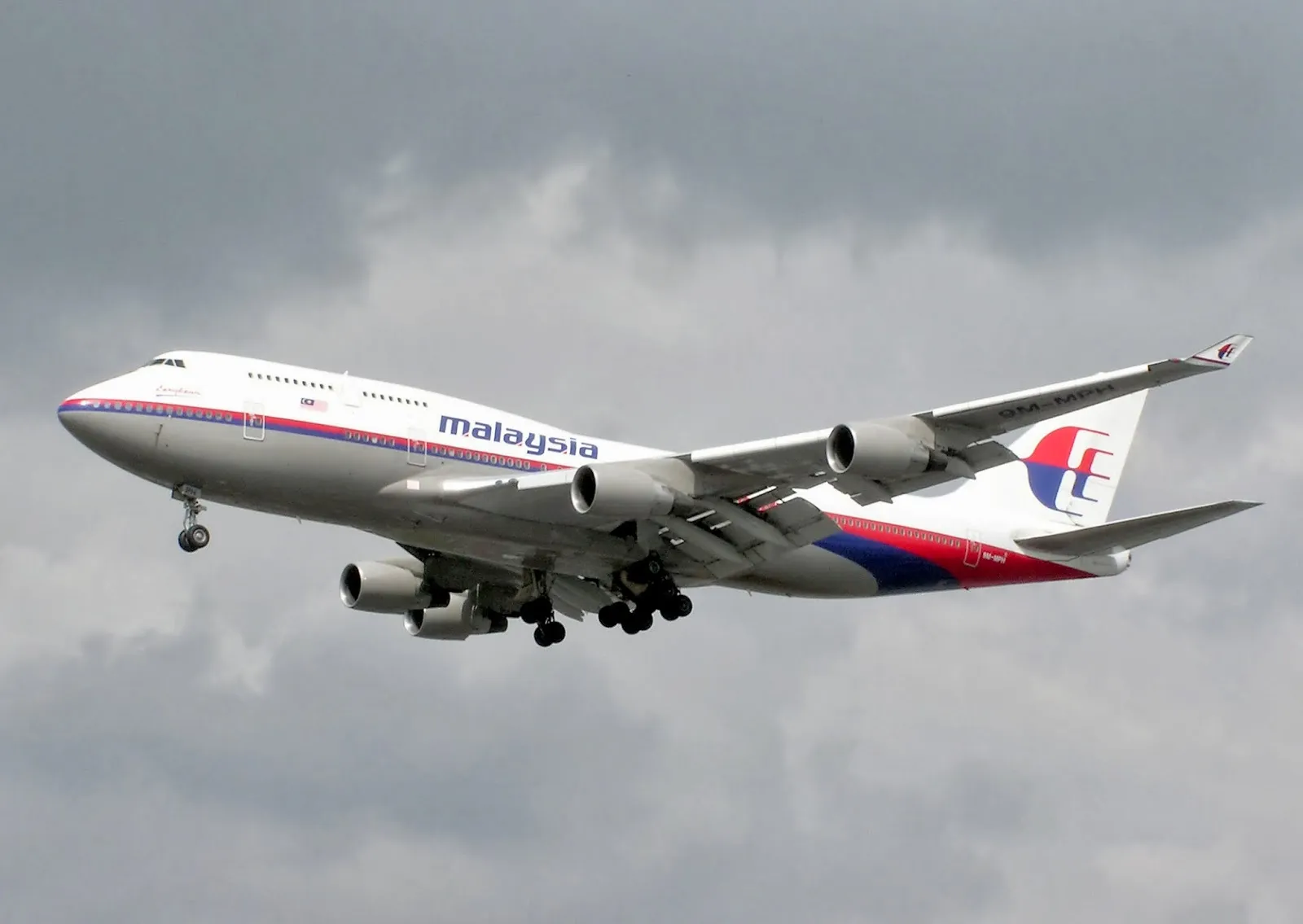
[citação]“If silence had a scent, this one smells like classified memos and bad radar.” — Hunter (probably half-joking)
Hunter’s take — curious, skeptical, a little impatient
I’m not here to sell certainty. I’m here to nudge your doubt. Technology gives us amazing clues — satellite arcs, ocean drift models, forensic debris analysis. But technology also gives us a false confidence: we want one answer to fit every missing puzzle piece. Sometimes the sea and human choices refuse to be neat.
Yes, pilot suicide is a hypothesis worth looking at. Yes, mechanical failure could explain a silent, slow end. And yes, conspiracies thrive when important evidence is missing. But ridicule or wild acceptance doesn’t help — careful curiosity does. We should be demanding more transparency, better search tech, and a refusal to let ambiguity become comfortable.
Closing — your turn
What do you think happened to MH370? A tragic accident the ocean swallowed? A crime that outsmarted us? Or a story we’ll pass down as one of modern aviation’s great unsolved mysteries?
“The truth may be out there… but it looks like someone turned off the cameras.” — Hunter
A small plane disappeared. Big questions remain. Will we ever get the full answer?
Important: investigators concluded the plane likely impacted the ocean, but they could not explain why it flew so far off course. No conclusive evidence points to a single cause.