
404 City: The Chinese Ghost Town Hidden Until Google Earth Spotted It — What Secrets Does It Hold Today?
“But there’s one detail that changes everything…”
Let’s get to that in a moment.
The Enigma of 404 City: A Digital Discovery That Surprised the World
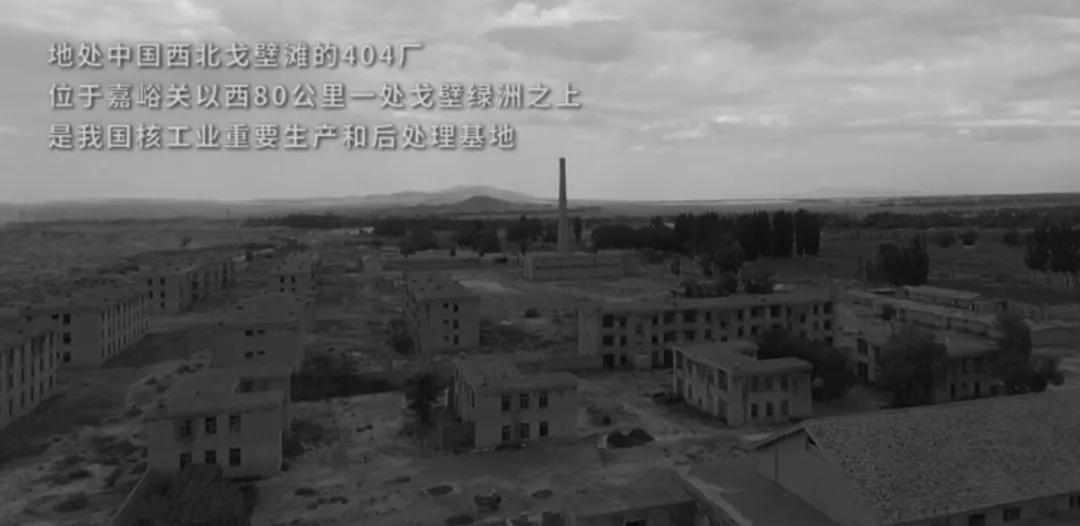
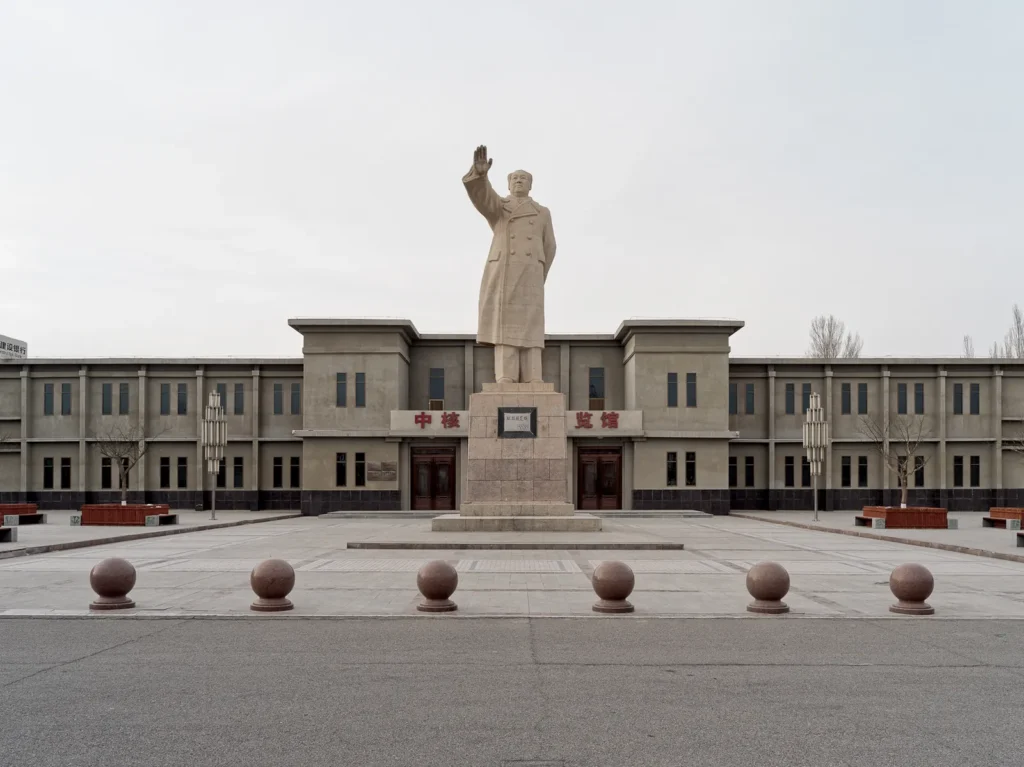
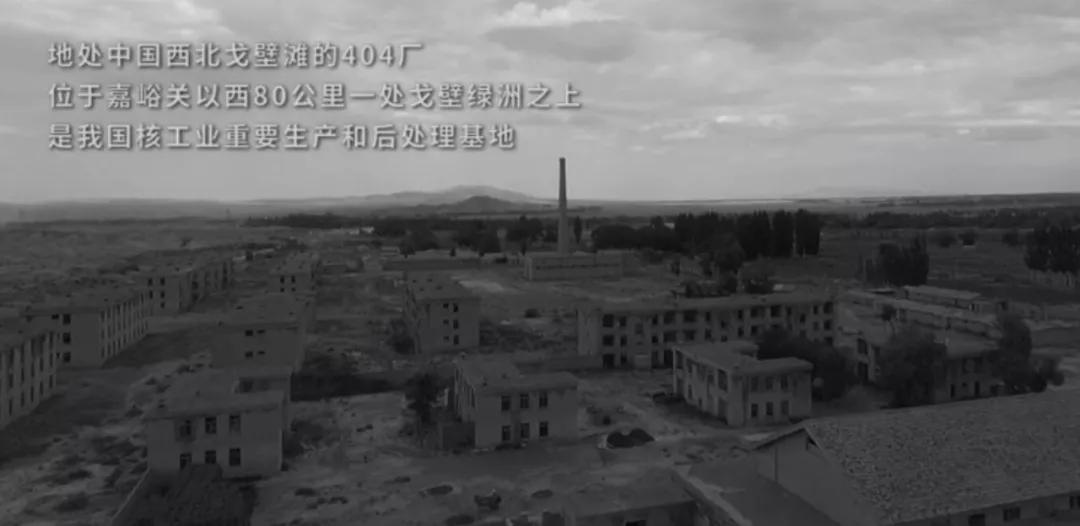
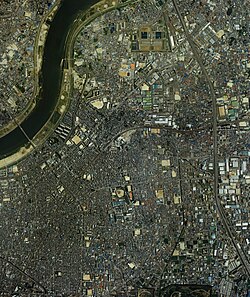
When you hear about “ghost cities” in China, you might think of abandoned apartment blocks or failed urban projects visible on Google Maps. But 404 City is different. This sprawling urban complex did not even appear on maps — not officially recorded anywhere — until satellite imagery via Google Earth stumbled upon it. It’s a digital mirage, mysteriously absent from standard cartography and public databases alike.
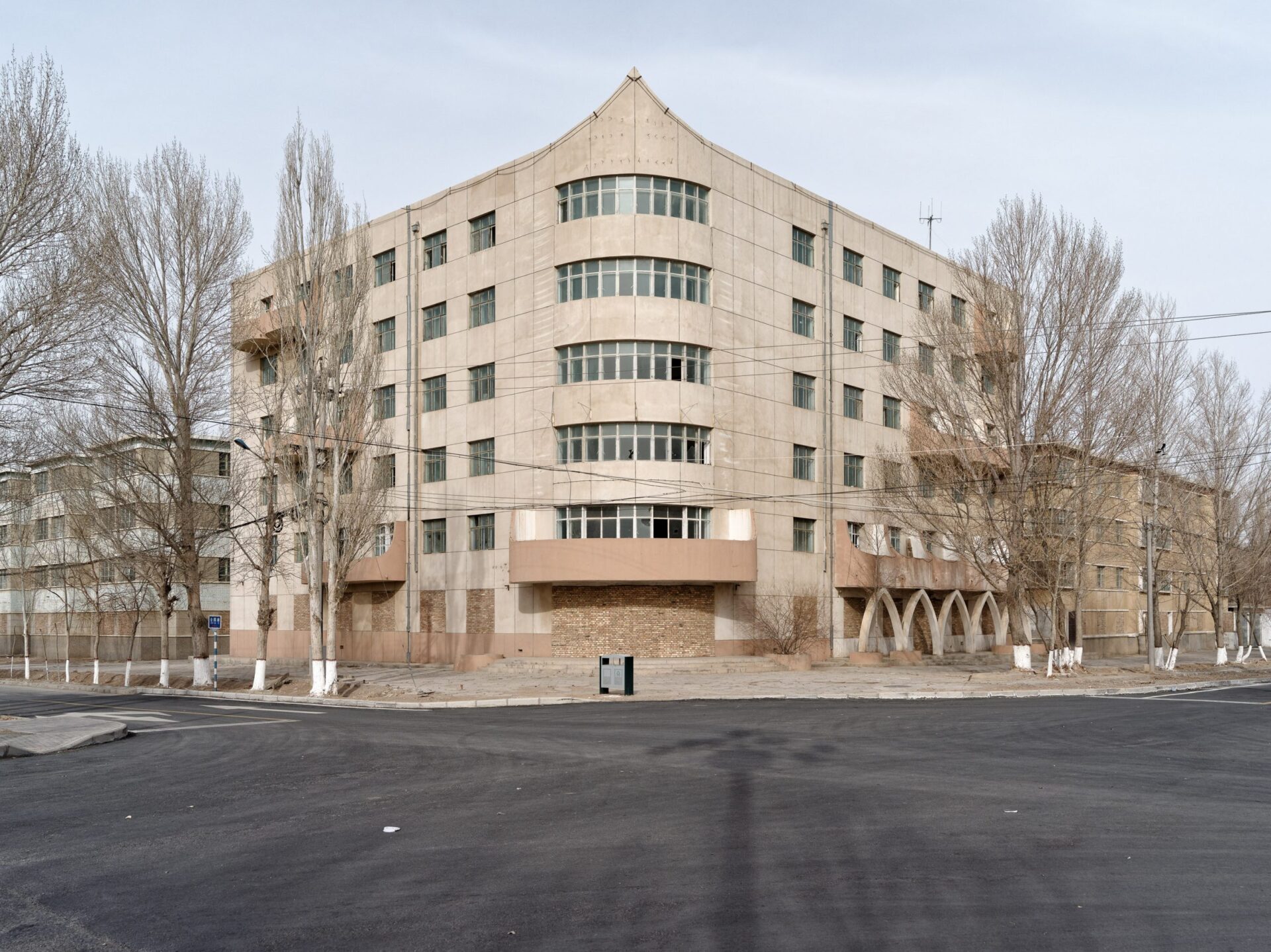
And yet, there it was: streets, buildings, and what looked like the skeleton of a functioning city, frozen in time. No pop-up descriptions, no recorded history — just coordinates and shades of grey.
Why would a city be erased from maps? And what does modern satellite technology reveal about such urban enigmas? We’re diving into that labyrinth now. Stay with me, because the real kicker is just around the corner.
What Does Science Say About 404 City?
The current scientific consensus, according to geospatial researchers from institutions like NASA’s Earth Observing System and China’s own National Remote Sensing Center, points to a plausible explanation: 404 City is one of several “ghost cities” born out of rapid urban expansion and shifting economic policies in China over the last two decades.
- Many planned urban areas were constructed at lightning speed, expecting massive influxes of residents.
- In some cases, these plans fell short: populations did not arrive, or industries failed to take hold.
- Some developments were delayed or outright frozen mid-construction, leading to near-abandoned cityscapes.
Google Earth’s aerial imagery timeline shows 404 City escalating from barren land in 2007–2009 to near-completion by 2015, only to vanish from official records and public maps afterward — a curious blackout in documentation.
So far, no credible public records or government papers acknowledge this city publicly.
Why Isn’t 404 City on Maps? The Cartographic Blind Spot
Maps, by their nature, are not neutral. They document political will, economic priorities, and sometimes censorship. The absence of 404 City from standard cartographic sources reflects a curious phenomenon:
- Governments may withhold details on speculative or failed developments to protect reputations.
- Mapping agencies rely on reported data, which can be incomplete or deliberately omitted.
- Areas undergoing transformation or redevelopment might be excluded temporarily.
Curiously, the “404” label hints at an internet error message — “not found” — which, though unofficial, captures the city’s ghostly essence perfectly.
What does this digital omission tell us about the overlap of technology, governance, and urban planning today? If places can simply “disappear” from maps, what else has slipped under the radar?
My Take: Urban Ghosts in a Hyperconnected Era
To me, 404 City is a powerful metaphor for the collision between technological hypertransparency and institutional opacity. We live in an age where satellite imagery offers bird’s-eye views of virtually every inch of the planet — and yet, bureaucracies and politics play gatekeeper to what shows up in official narratives.
This duality fascinates me. The very existence of 404 City on Google Earth, but not on maps or in public discourse, makes me think of a digital palimpsest: an erased city, but one you can still find if you know where to look. It’s like walking a city built on broken promises and shifting priorities — frozen moments of urban dreams that, while invisible to casual glance, persist stubbornly alive in pixels above us.
But what does this phenomenon indicate about China’s urban strategy? And how might it shape our ideas of urban success and failure in the 21st century?
Putting It All Into Context: China’s Rapid Urbanization and the Ghost Cities Phenomenon
China’s late 20th and early 21st centuries have been marked by unprecedented urban growth. According to data from the United Nations and China’s National Bureau of Statistics, urban population rates soared from under 20% in 1980 to over 60% by 2020.
- The rush to urbanize led to mass construction projects, often in undeveloped or rural areas.
- Governments forecasted population booms that sometimes lagged behind economic demand.
- This growth spurt created “ghost cities” — fully built, sparsely occupied urban expanses.
404 City falls into this category but pushed further by its digital invisibility. Rather than merely empty, it seems almost expunged, creating a sense of spatial erasure that standard ghost cities don’t always evoke.
What lessons might the world learn from such urban experiments? Who truly benefits when a city is built but never lived in?
How Does Technology Shape Our Understanding of Hidden Cities?
Here’s where tech gets juicy: tools like Google Earth and advanced satellite imaging disrupt traditional gatekeeping. They democratize access to earth-scale knowledge, but simultaneously reveal blind spots and inconsistencies.
- Satellite imagery offers temporal snapshots unavailable until recent decades.
- Crowdsourced analysis of these images fuels new narratives outside official channels.
- Geospatial AI can even detect structural changes indicating urban life or abandonment in real time.
But there’s a twist — this flood of information can overwhelm or confuse. Not every structure captured is a city waiting to live or die. Context is key. And people like me need to unravel what these images really mean.
Could 404 City represent a new frontier in urban archaeology — digital archaeology? It’s a question that reshapes how we engage with the past, present, and even future of human settlements.
The Limits of Our Knowledge: What We Don’t Know
Despite all this data, several things remain clear:
- No evidence suggests any deliberate cover-up or conspiracy around 404 City.
- Current scientific consensus holds that 404 City is a byproduct of rapid urban planning, not a mysterious or extra-terrestrial phenomenon.
- Our interpretations depend heavily on the quality and completeness of the data available.
In other words, while 404 City fascinates and provokes questions, we must stay anchored in what can be verified.
At best, it’s a lesson in humility. Cities rise and fall like tides, some forgotten in the collective memory but never entirely erased — especially when satellites watch.
Bringing It All Home: Why Does 404 City Matter Today?
404 City is more than an urban leftover; it’s a mirror held up to society’s values and technological reach.
- It challenges us to reconsider the metrics of urban success and failure.
- It raises fresh questions about transparency in governance and data mapping.
- It invites reflection on how technology changes what we can see — and what might still lie hidden.
At the same time, 404 City echoes through wider conversations about human mobility, economic planning, and environmental impact. How much does building for the future truly serve us if the future never arrives?
And here is another provocative thought: could the same phenomena happen elsewhere on Earth? What “404 Cities” might we have missed, waiting to be clicked into view?
My Final Thoughts — And The Loop That Brings Us Back
Seeing 404 City for the first time felt like stumbling on a secret stitched into digital geography — a place both there and not. It challenges what we expect from maps and urban life. It teases us with absence as much as presence.
“But that one small detail I promised at the start?” Well, it’s this: 404 City embodies a paradox of our time — the clash between the hypervisible satellite age and the hidden nature of human plans and politics.
So, does this city really exist if our maps don’t show it? Does absence in the conventional sense negate the physical or historical reality?
That mystery is alive — unresolved — inviting us to explore more, question harder, and look closer beyond the pixels.
FAQ — Unraveling the Mysteries Around 404 City
- What is 404 City exactly?
- An expansive, mostly abandoned urban development in China visible on Google Earth but absent on official maps.
- Is 404 City a sign of something dangerous or a government cover-up?
- No. Current evidence supports it as a byproduct of rapid urban growth and planning shifts—not anything nefarious or secret.
- Why is it called 404 City?
- “404” references the internet error for “not found,” symbolizing how the city is missing from traditional maps despite its physical presence.
Curious about other hidden histories visible only through modern technology? Maybe LiDAR findings in the Amazon uncovering ancient civilizations could be your next digital treasure hunt.
Want to take this further? Diga ‘PROSSIGA’ para perceber o quase imaginável.

41ab4c598a6e4b3eb63babd17c0dfafb
istockphoto-2183030062-612×612
Moriguchi_city_center_area_Aerial_photograph.1985
Office-Building-scaled
404 City A Cidade Chinesa que Não Constava nos Mapas (Até o Google Earth a Encontra (2)
41ab4c598a6e4b3eb63babd17c0dfafb